

As a provider of high - quality medical temperature probes, I understand the importance of proper storage. Medical temperature probes are precision instruments used in various healthcare settings. Their accuracy and performance can be significantly affected by storage conditions. In this blog, I'll share some essential guidelines on how to store a medical temperature probe properly.
Pre - storage Preparation
Before storing the medical temperature probes, it's crucial to ensure they are clean. Residues from previous use, such as body fluids or disinfectants, can cause corrosion or affect the sensor's accuracy over time. Use a mild, non - abrasive cleaning solution recommended by the probe's manufacturer. For instance, a solution of isopropyl alcohol and water can be effective for many types of probes. Gently wipe the probe with a soft, lint - free cloth. Make sure to dry it thoroughly to prevent the growth of bacteria or mold.
Inspecting the probe for any signs of damage is equally important. Check the cable for cuts, fraying, or kinks. A damaged cable can lead to inaccurate readings or even electrical hazards. Examine the probe tip for scratches or cracks. If any damage is detected, the probe should be either repaired following the manufacturer's guidelines or discarded if it's not repairable.
Suitable Storage Environments
Temperature: Medical temperature probes are sensitive to extreme temperatures. High temperatures can cause the materials in the probe, especially the sensor and the cable insulation, to degrade. On the other hand, very low temperatures can make the plastic parts brittle. Ideally, store the probes in an environment where the temperature ranges from 10°C to 30°C (50°F to 86°F). A regulated storage cabinet or a room with proper climate control can be an excellent option.
Humidity: High humidity can lead to the formation of condensation on the probe, which can damage the internal components and promote the growth of microorganisms. Aim to keep the relative humidity in the storage area between 30% and 60%. You can use a dehumidifier in areas with high humidity levels to maintain the appropriate environment.
Light and Chemical Exposure: Prolonged exposure to direct sunlight can fade the probe's markings and damage the materials. Store the probes in a dark or dimly - lit area. Chemicals such as strong acids, alkalis, and solvents can corrode the probe and its components. Keep the probes away from any chemical storage areas or places where chemical fumes are present.
Storage Containers and Packaging
Using the right storage containers is essential for protecting medical temperature probes. Manufacturer - provided packaging is often designed to store the probes safely. These packages usually have shock - absorbing materials and compartments that prevent the probes from moving around and getting damaged.
If the original packaging is not available, you can use a clean, sturdy plastic container with a tight - fitting lid. Line the container with soft foam or felt to cushion the probes. You can also use individual probe cases for each probe to prevent them from rubbing against each other.
Organized Storage
Proper organization in storage helps in quickly locating the probes when needed and reduces the risk of damage. Label each storage container or the individual probe cases with details such as the type of probe, its calibration date, and expiration date (if applicable).
Group the probes by type. For example, keep Medical NTC Temperature Probe together and separate them from 2.252K 10K Adult Skin Medical Temperature Probe. This makes it easier to access a specific type of probe, especially in a busy healthcare setting.
Storage of Disposable and Reusable Probes
Disposable Probes: Disposable medical temperature probes are designed for single - use. However, if for some reason they need to be stored before use, keep them in their original sealed packaging. The sealed packaging helps to maintain the sterility of the probe. Once the package is opened, use the probe as soon as possible to ensure its effectiveness.
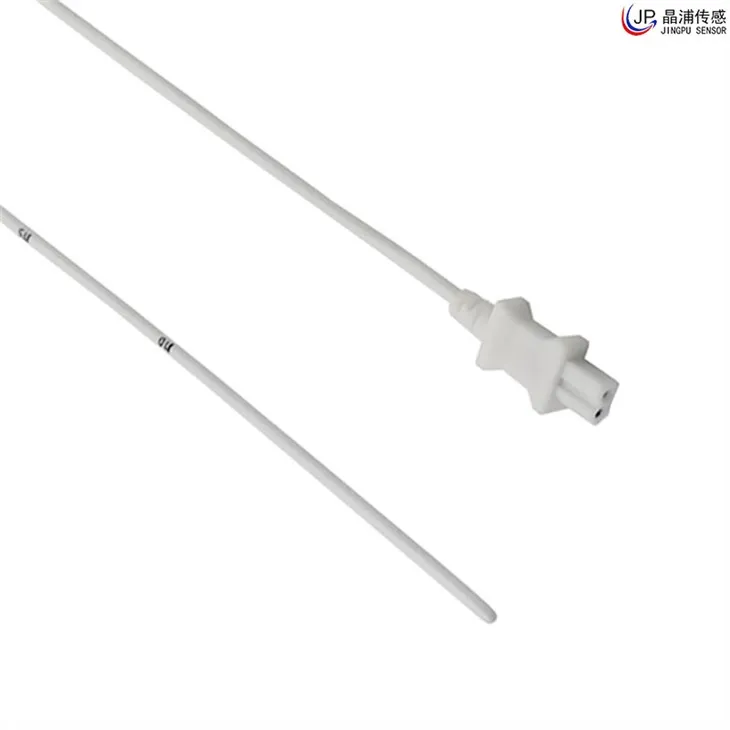

Reusable Probes: Reusable probes require more attention during storage. After each use, they should be properly cleaned, disinfected, and dried as mentioned earlier. Consider using a probe storage rack to keep the probes upright. This helps in preventing any liquid from pooling inside the probe and damaging the components.
Regular Checks
Even when stored properly, medical temperature probes should be checked regularly. Inspect the probes for any signs of deterioration, such as changes in color, texture, or functionality. Test the probes periodically to ensure they are still providing accurate readings. If a probe fails a functionality test or shows signs of significant deterioration, it should be removed from the storage and replaced.
Benefits of Proper Storage
Proper storage of medical temperature probes offers several benefits. Firstly, it ensures the probes maintain their accuracy over time. This is crucial in healthcare, where accurate temperature measurements can impact patient diagnosis and treatment. Secondly, it extends the lifespan of the probes, reducing the need for frequent replacements and saving costs. Lastly, it helps in maintaining the safety of the healthcare environment by preventing the growth of harmful microorganisms on the probes.
Contact for Purchase and Consultation
At our company, we strive to provide you with the best - quality Medical Temperature Probe. Whether you are looking to purchase new probes or need advice on proper storage, we are here to assist you. Feel free to reach out to us to initiate a discussion on your specific needs. Our team of experts can guide you through the selection process and ensure that you get the most suitable probes for your applications.
References
- Manufacturer's manuals for medical temperature probes.
- Industry standards for medical device storage.
- Research on the effects of environmental factors on medical device performance.


