

When it comes to water temperature sensors, a common question often arises: Are all water temp sensors the same? As a seasoned water temp sensor supplier, I can attest that the answer is a resounding no. In this blog, we'll delve into the intricacies of water temperature sensors, exploring their differences, applications, and why it matters when choosing the right one for your needs.

Understanding the Basics of Water Temperature Sensors
Water temperature sensors are devices designed to measure the temperature of water in various settings. They work on the principle of converting temperature changes into electrical signals, which can then be interpreted and used for different purposes. These sensors are crucial in a wide range of industries, from automotive and HVAC systems to industrial processes and environmental monitoring.
Key Differences Among Water Temperature Sensors
1. Sensing Technology
There are several types of sensing technologies used in water temperature sensors, each with its own advantages and limitations.
- Thermocouples: These sensors generate a voltage proportional to the temperature difference between two junctions. They are known for their wide temperature range, durability, and fast response time. However, they may require additional signal conditioning and can be less accurate at lower temperatures.
- Resistance Temperature Detectors (RTDs): RTDs work based on the principle that the electrical resistance of a metal changes with temperature. They offer high accuracy and stability, making them suitable for applications where precise temperature measurements are required. But they tend to be more expensive and have a slower response time compared to thermocouples.
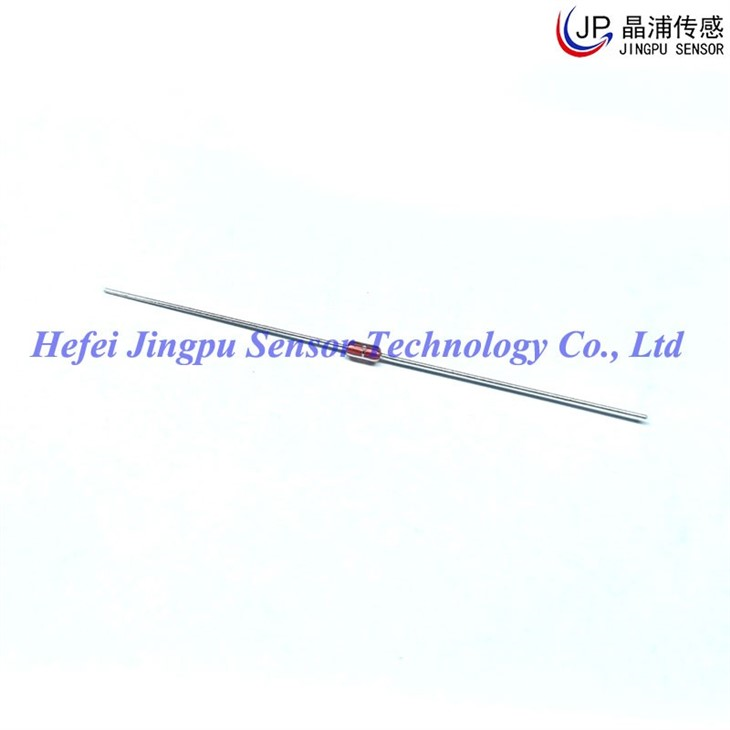
- Thermistors: Thermistors are semiconductor devices whose resistance changes significantly with temperature. They are highly sensitive and cost - effective, but their temperature range is relatively limited, and their resistance - temperature relationship is non - linear.
2. Temperature Range
Different applications require sensors that can operate within specific temperature ranges. For example, in automotive cooling systems, sensors need to measure temperatures from around 0°C to 120°C. On the other hand, industrial processes such as steam generation may require sensors capable of measuring temperatures up to 500°C or more. It's essential to choose a sensor that can handle the expected temperature range of your application to ensure accurate and reliable measurements.
3. Accuracy and Precision
Accuracy refers to how close a measured value is to the true value, while precision refers to the repeatability of measurements. High - accuracy sensors are crucial in applications where small temperature changes can have a significant impact, such as in medical equipment or laboratory settings. Precision is also important, especially in processes that require consistent temperature control.
4. Environmental Compatibility
Water temperature sensors are often exposed to various environmental conditions, such as moisture, chemicals, and mechanical stress. Some sensors are designed to be waterproof and corrosion - resistant, making them suitable for applications in wet or harsh environments. For example, sensors used in swimming pools or marine applications need to withstand constant exposure to water and potentially corrosive chemicals.
Applications and the Right Sensor Choice
1. Automotive Industry
In the automotive industry, water temperature sensors play a vital role in engine management systems. They monitor the temperature of the engine coolant and provide feedback to the engine control unit (ECU). The ECU then adjusts fuel injection, ignition timing, and other parameters to optimize engine performance and prevent overheating. For this application, Automotive NTC Thermistor Sensor is a popular choice due to its cost - effectiveness, high sensitivity, and fast response time.
2. HVAC Systems
Heating, ventilation, and air conditioning (HVAC) systems rely on water temperature sensors to control the temperature of water used for heating or cooling. These sensors help maintain a comfortable indoor environment by ensuring that the water temperature is within the desired range. RTDs are often used in HVAC applications because of their high accuracy and stability.
3. Industrial Processes
Industrial processes such as chemical manufacturing, food processing, and power generation require precise temperature control. Depending on the specific process, different types of sensors may be used. For example, in high - temperature processes, thermocouples are a common choice, while in applications where accuracy is paramount, 100Kohm 4008K NTC Thermistor Temperature Sensor or RTDs may be preferred.
4. Environmental Monitoring
Water temperature sensors are also used in environmental monitoring to measure the temperature of rivers, lakes, and oceans. These measurements are important for studying climate change, water quality, and aquatic ecosystems. Sensors used in environmental monitoring need to be durable and able to withstand long - term exposure to water. 50KΩ 3950k Epoxy Coated NTC Thermistor can be a good option due to its relatively low cost and decent accuracy.
Why Choosing the Right Sensor Matters
Selecting the appropriate water temperature sensor is crucial for several reasons:
- Performance and Efficiency: Using the right sensor ensures that your system operates at its optimal performance. For example, in an automotive engine, an accurate temperature sensor helps the ECU make the right adjustments, improving fuel efficiency and reducing emissions.
- Safety: In applications where overheating or freezing can pose a safety risk, such as in industrial boilers or refrigeration systems, a reliable temperature sensor is essential for preventing accidents.
- Cost - Effectiveness: Choosing a sensor that meets your specific requirements can save you money in the long run. An over - specified sensor may be more expensive than necessary, while an under - specified sensor may lead to inaccurate measurements and potential system failures.
How to Choose the Right Water Temperature Sensor
- Define Your Requirements: Determine the temperature range, accuracy, precision, and environmental conditions of your application.
- Research Sensor Types: Understand the pros and cons of different sensing technologies and choose the one that best suits your needs.
- Consider Manufacturer Reputation: Look for a reputable supplier with a track record of producing high - quality sensors. As a water temp sensor supplier, we pride ourselves on providing reliable and accurate sensors that meet the diverse needs of our customers.
Conclusion
In conclusion, not all water temperature sensors are the same. The differences in sensing technology, temperature range, accuracy, and environmental compatibility make it essential to choose the right sensor for your specific application. Whether you're in the automotive, HVAC, industrial, or environmental monitoring industry, selecting the appropriate sensor can improve performance, ensure safety, and save costs.
If you're looking for high - quality water temperature sensors or need assistance in choosing the right sensor for your application, we're here to help. Contact us today to start a discussion about your requirements and explore our range of products.
References
- "Temperature Measurement Handbook", Omega Engineering
- "Automotive Sensors: Technology, Trends, and Applications", Springer


