

Hey there! As a supplier of Epoxy Bead NTC Thermistors, I often get asked if these little guys can be used in water - related applications. Well, let's dive right in and explore this topic together.

What are Epoxy Bead NTC Thermistors?
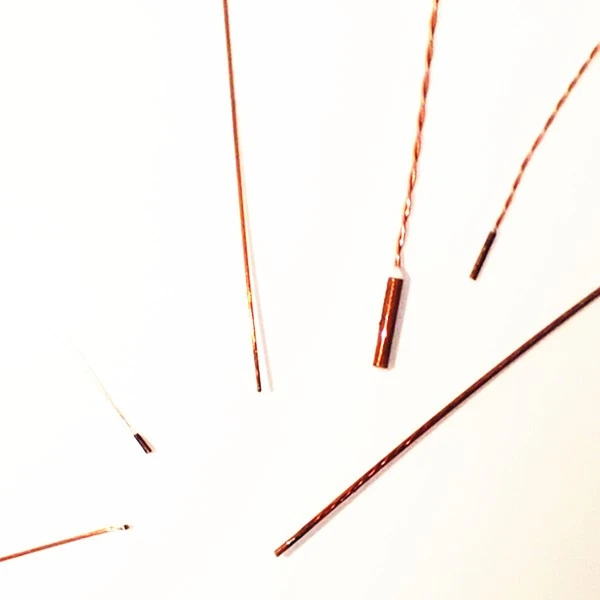
First off, let's quickly go over what Epoxy Bead NTC Thermistors are. NTC stands for Negative Temperature Coefficient. This means that as the temperature goes up, the resistance of the thermistor goes down. Epoxy Bead NTC Thermistors are small, with a bead - like structure coated in epoxy. This epoxy coating provides some protection to the thermistor element inside. They're commonly used in a variety of applications because they're relatively inexpensive, have a fast response time, and can be made in different sizes and resistance values. For example, we have the 10kohm Micro NTC Thermistor, which is super tiny and great for applications where space is limited.
The Challenges of Water - Related Applications
When it comes to using Epoxy Bead NTC Thermistors in water - related applications, there are a few challenges we need to consider.
Water Resistance
The first and most obvious challenge is water resistance. Water is a conductor of electricity, and if it gets inside the thermistor, it can cause short - circuits or corrosion. The epoxy coating on these thermistors provides some level of protection, but it's not always enough. If the thermistor is submerged in water for a long time or is exposed to high - pressure water, the epoxy coating might start to break down. This can lead to water seeping in and damaging the thermistor.
Chemical Compatibility
Water is not always just H₂O. It can contain various chemicals, minerals, and salts. These substances can react with the epoxy coating or the thermistor element itself. For example, saltwater is more corrosive than freshwater. If an Epoxy Bead NTC Thermistor is used in a saltwater application, the salt can accelerate the corrosion process. Over time, this can change the electrical properties of the thermistor and make it inaccurate or even completely fail.
Temperature Cycling
In water - related applications, the thermistor may experience significant temperature changes. For instance, in a hot water tank, the water temperature can vary from cold to hot depending on usage. These temperature cycles can cause the epoxy coating and the thermistor element to expand and contract at different rates. This can lead to cracking of the epoxy coating, which again allows water to enter and damage the thermistor.
Potential Solutions
Despite these challenges, there are ways to use Epoxy Bead NTC Thermistors in water - related applications.
Improved Epoxy Coatings
We're constantly working on improving the epoxy coatings of our thermistors. Newer epoxy formulations are more resistant to water penetration and chemical attack. These coatings can provide better protection to the thermistor element, even in harsh water environments. For example, some of our thermistors are coated with a special epoxy that has been tested in saltwater for extended periods without significant degradation.
Encapsulation
Another solution is to encapsulate the thermistor in a secondary protective housing. This housing can be made of materials like plastic or rubber that are highly water - resistant. The thermistor is first coated with epoxy as usual, and then it's placed inside the housing. This double - layer protection can significantly increase the thermistor's lifespan in water - related applications.
Regular Maintenance and Monitoring
In some cases, regular maintenance and monitoring can help ensure the proper functioning of Epoxy Bead NTC Thermistors in water - related applications. This can involve checking the thermistor's resistance periodically to make sure it's within the expected range. If any signs of damage or degradation are detected, the thermistor can be replaced before it causes any major problems.
Applications Where They Can Be Used
There are several water - related applications where Epoxy Bead NTC Thermistors can be used effectively.
Domestic Water Heaters
In domestic water heaters, Epoxy Bead NTC Thermistors can be used to monitor the water temperature. The water in these heaters is usually clean and at a relatively stable temperature. With proper protection, our thermistors can accurately measure the water temperature and help maintain the desired setting. For example, the Fire Alarm Temperature Thermistor 100K4132 can be used in some water heater models to ensure the water doesn't get too hot.
Aquariums
Aquariums are another application where these thermistors can be used. The water in aquariums is treated and maintained at a specific temperature to keep the fish and other aquatic life healthy. Epoxy Bead NTC Thermistors can be used to monitor the water temperature and ensure it stays within the appropriate range. Since the water in aquariums is relatively clean and the temperature doesn't fluctuate too much, our thermistors can work well with proper protection.
Medical Water - Based Devices
In medical applications, there are devices that use water, such as some types of hydrotherapy equipment. Our Epoxy Coated Medical Thermistor can be used in these devices to monitor the water temperature. The medical environment requires high - precision temperature measurement, and our thermistors can provide accurate readings when properly protected from the water.
Conclusion
So, can Epoxy Bead NTC Thermistors be used in water - related applications? The answer is yes, but with some precautions. While there are challenges like water resistance, chemical compatibility, and temperature cycling, we have solutions such as improved epoxy coatings, encapsulation, and regular maintenance. There are also many water - related applications where these thermistors can work effectively, including domestic water heaters, aquariums, and medical water - based devices.
If you're interested in using Epoxy Bead NTC Thermistors in your water - related applications, we'd love to have a chat with you. We can discuss your specific requirements and recommend the best thermistors for your needs. Whether it's a small - scale project or a large - scale industrial application, we're here to help you find the right solution.
References
- "Thermistor Handbook" - A comprehensive guide on thermistors, including their properties, applications, and challenges.
- "Water Chemistry and Its Effects on Electronic Components" - A research paper that discusses how different water compositions can affect the performance of electronic devices.


