

Hey there! As a supplier of Micro NTC Thermistors, I've seen firsthand how humidity can mess with these little guys. In this blog, I'm gonna share some tips on how to protect a Micro NTC Thermistor from humidity.
Why is humidity a problem for Micro NTC Thermistors?
Micro NTC (Negative Temperature Coefficient) Thermistors are super sensitive components. They're designed to change their resistance based on temperature, and that's how they're used in all sorts of applications, like temperature sensors in medical devices, automotive systems, and consumer electronics.
But humidity can really throw a wrench in the works. When moisture gets into the thermistor, it can cause corrosion, which can change the thermistor's electrical properties. This means the readings it gives might not be accurate anymore. And in some cases, the moisture can even short - circuit the thermistor, making it completely useless.
How to protect Micro NTC Thermistors from humidity
1. Encapsulation
One of the most effective ways to protect a Micro NTC Thermistor from humidity is through encapsulation. This involves covering the thermistor with a protective material that acts as a barrier against moisture.
Epoxy is a popular choice for encapsulation. It's a durable, waterproof material that can be easily applied to the thermistor. Epoxy - encapsulated thermistors, like our High Accuracy NTC Thermistor, are well - protected from humidity. The epoxy forms a tight seal around the thermistor, preventing moisture from getting in.
Another option is silicone rubber. Silicone rubber is flexible and has good moisture - resistant properties. It can withstand a wide range of temperatures, which is great for thermistors that are used in different environments.
2. Hermetic Sealing
Hermetic sealing is a more advanced method of protecting thermistors from humidity. It involves placing the thermistor in a sealed container, usually made of metal or glass. The container is then evacuated of air and filled with an inert gas, like nitrogen.
This creates a completely moisture - free environment for the thermistor. Hermetic sealing is often used in high - precision applications where even the slightest amount of humidity can cause problems. However, it's also more expensive and complex than encapsulation.
3. Proper Storage
Before the thermistors are installed in a device, proper storage is crucial. They should be stored in a dry environment, preferably in a desiccator. A desiccator is a container that has a drying agent, like silica gel, inside. The silica gel absorbs moisture from the air, keeping the thermistors dry.
It's also important to keep the thermistors in their original packaging until they're ready to be used. The packaging is usually designed to protect the thermistors from moisture and other environmental factors.
4. Environmental Control
If the thermistors are being used in a device, controlling the environment around the device can also help protect them from humidity. For example, in a factory setting, air - conditioning and dehumidifiers can be used to keep the humidity levels low.
In a home or office environment, using a dehumidifier in the room where the device is located can also make a big difference. This is especially important for devices that are sensitive to humidity, like medical equipment or high - end electronics.
5. Surface Treatment
Applying a surface treatment to the thermistor can also improve its resistance to humidity. Some surface treatments create a hydrophobic (water - repelling) layer on the thermistor. This layer prevents water from sticking to the thermistor, reducing the risk of moisture damage.
Case Studies
Let's take a look at a couple of real - world examples to see how these protection methods work.
A customer was using our 10K 3435 NTC Thermistor in a temperature - sensing application in a humid industrial environment. At first, they didn't use any protection methods, and they noticed that the thermistors were giving inaccurate readings after a few weeks.
After we recommended encapsulating the thermistors with epoxy, the problem was solved. The epoxy coating protected the thermistors from the humidity in the air, and they were able to provide accurate temperature readings for a much longer time.

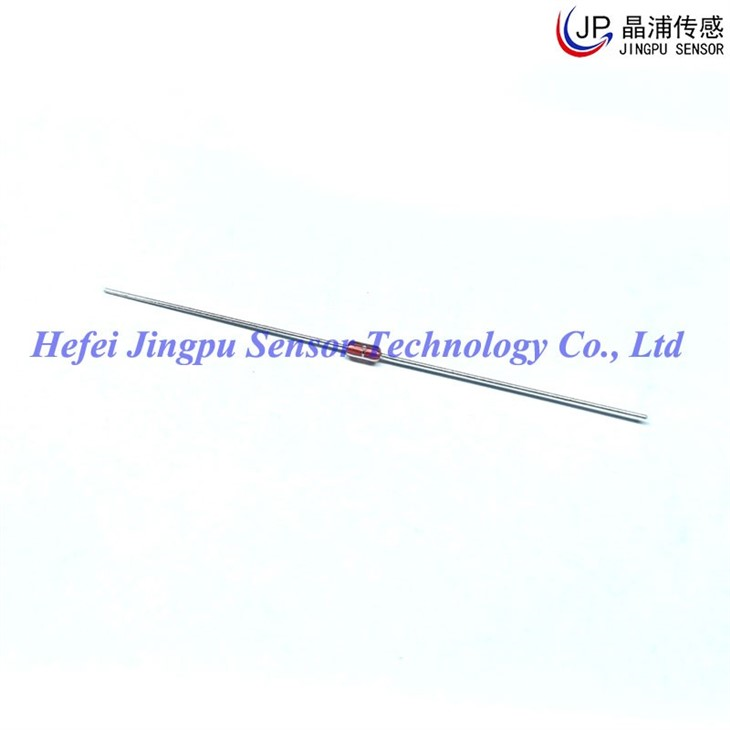
Another customer was using our 50KΩ 3950k Epoxy Coated NTC Thermistor in a medical device. Since the device needed to be highly accurate, we suggested using hermetic sealing. The hermetically - sealed thermistors provided consistent and accurate readings, even in a humid hospital environment.
Conclusion
Protecting Micro NTC Thermistors from humidity is essential to ensure their accuracy and longevity. Whether it's through encapsulation, hermetic sealing, proper storage, environmental control, or surface treatment, there are several ways to keep these sensitive components safe from moisture.
If you're in the market for high - quality Micro NTC Thermistors or need more advice on protecting them from humidity, don't hesitate to reach out. We're here to help you find the best solutions for your specific needs. Let's start a conversation about your thermistor requirements and see how we can work together to make your projects a success.
References
- "Thermistor Handbook" by BetaTHERM Sensors
- "Humidity and Its Effects on Electronic Components" by IEEE Transactions on Components, Packaging, and Manufacturing Technology


