

Hey there! As a water temp sensor supplier, I've seen my fair share of issues with these little gadgets showing inconsistent readings. It can be frustrating, especially when you're relying on accurate temperature data for your system. But don't worry, I'm here to walk you through some troubleshooting steps to get your water temp sensor back on track.
Understanding the Basics
First things first, let's talk a bit about how water temp sensors work. Most water temp sensors use a thermistor, which is a type of resistor whose resistance changes with temperature. This change in resistance is then converted into a temperature reading by the system's electronics.
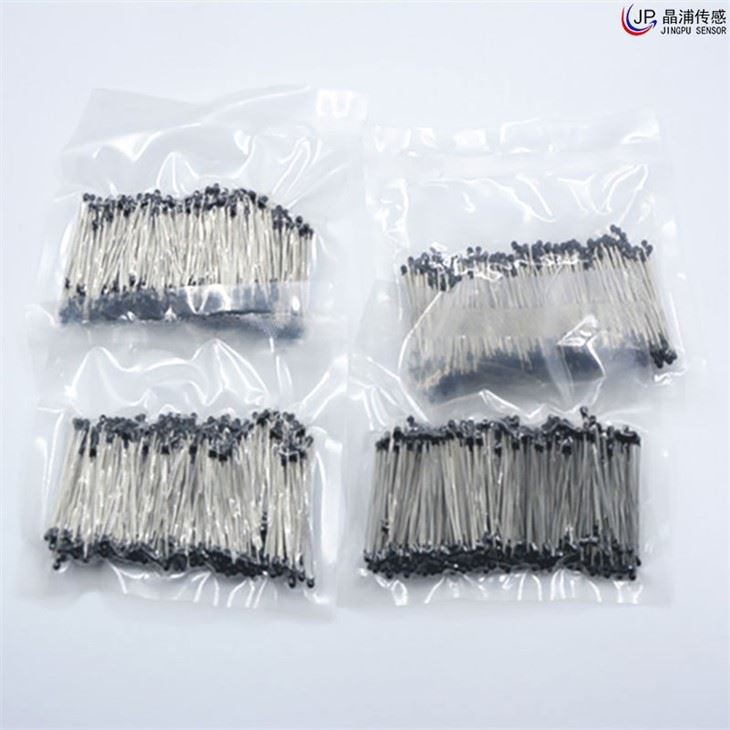
There are different types of thermistors used in water temp sensors, like the 10K Insulated Wire NTC Thermistor and the Epoxy Coating NTC Thermistor. These thermistors are designed to be sensitive to temperature changes and provide reliable readings within a certain range.
Common Causes of Inconsistent Readings
- Poor Installation
One of the most common reasons for inconsistent readings is improper installation. If the sensor isn't installed correctly, it might not be making proper contact with the water, or it could be exposed to external factors that affect its performance. For example, if the sensor is installed too close to a heat source or in a location with poor water circulation, it can give inaccurate readings. - Sensor Damage
Physical damage to the sensor can also cause inconsistent readings. This could be due to rough handling during installation or use, corrosion from the water, or even electrical damage. If the thermistor inside the sensor is damaged, its resistance won't change properly with temperature, leading to inaccurate readings. - Electrical Issues
Problems with the electrical connections can also affect the sensor's performance. Loose wires, damaged connectors, or interference from other electrical components can cause fluctuations in the signal sent by the sensor, resulting in inconsistent readings. - Calibration Problems
Over time, the sensor might become misaligned or lose its calibration. This can happen due to normal wear and tear, changes in the environment, or even manufacturing variations. If the sensor isn't calibrated correctly, it will give inaccurate temperature readings.
Troubleshooting Steps
Now that we've identified some of the common causes, let's go through the steps to troubleshoot a water temp sensor with inconsistent readings.
Step 1: Check the Installation
The first thing you should do is check the installation of the sensor. Make sure it's installed in the correct location, away from any heat sources or areas with poor water circulation. The sensor should be fully submerged in the water and making good contact with it.
If the sensor is installed in a pipe, check that it's inserted far enough into the pipe and that the seal is tight. A loose or improper seal can allow air to enter the sensor, which can affect its performance.
Step 2: Inspect the Sensor for Damage
Carefully examine the sensor for any signs of physical damage. Look for cracks, breaks, or corrosion on the sensor body or the wires. If you notice any damage, the sensor might need to be replaced.
You can also check the thermistor inside the sensor using a multimeter. Set the multimeter to measure resistance and connect the probes to the sensor's terminals. Compare the resistance reading with the specifications provided by the manufacturer. If the reading is significantly different, the thermistor might be damaged.
Step 3: Check the Electrical Connections
Inspect the electrical connections between the sensor and the system's electronics. Make sure the wires are securely connected and that there are no loose or damaged connectors. If you find any loose connections, tighten them or replace the connectors if necessary.

You can also check for any signs of electrical interference. Look for other electrical components that might be close to the sensor wires and make sure they're properly grounded. If you suspect interference, try moving the sensor wires away from the source of the interference.
Step 4: Recalibrate the Sensor
If you've ruled out installation, damage, and electrical issues, the sensor might need to be recalibrated. This can usually be done using the system's calibration settings. Refer to the manufacturer's instructions for specific steps on how to recalibrate the sensor.
If you're not comfortable calibrating the sensor yourself, you can contact a professional technician or the manufacturer for assistance.
Step 5: Test the Sensor
After you've completed the above steps, it's a good idea to test the sensor to see if the readings have improved. Use a reliable thermometer to measure the actual water temperature and compare it with the reading from the sensor. If the readings are still inconsistent, you might need to repeat the troubleshooting steps or consider replacing the sensor.

When to Replace the Sensor
If you've tried all the troubleshooting steps and the sensor still shows inconsistent readings, it might be time to replace it. A faulty sensor can lead to inaccurate temperature control, which can affect the performance and efficiency of your system.
When choosing a replacement sensor, make sure to select one that is compatible with your system and has the appropriate specifications. We offer a wide range of water temp sensors, including the 10K 3950 Water Tank Temperature Sensor, which is designed for accurate and reliable temperature measurement in water tanks.
Conclusion
Troubleshooting a water temp sensor with inconsistent readings can be a bit of a hassle, but by following these steps, you should be able to identify and fix the problem. Remember to check the installation, inspect the sensor for damage, check the electrical connections, recalibrate the sensor if necessary, and test the sensor to ensure it's working properly.
If you're still having trouble or need help choosing a replacement sensor, don't hesitate to reach out to us. We're here to assist you with all your water temp sensor needs. Whether you're looking for a high-quality sensor for a new project or need to replace a faulty one, we've got you covered.
Contact us today to discuss your requirements and let's work together to find the best solution for your temperature sensing needs.

References
- Manufacturer's manuals for water temp sensors
- Industry standards for temperature sensing technology


