

As a seasoned supplier of Fire Alarm Thermistors, I've had numerous inquiries about the concept of hysteresis in these critical components. Hysteresis is a phenomenon that significantly impacts the performance and reliability of fire alarm thermistors, and understanding it is essential for anyone involved in fire safety systems.

Understanding Thermistors in Fire Alarms
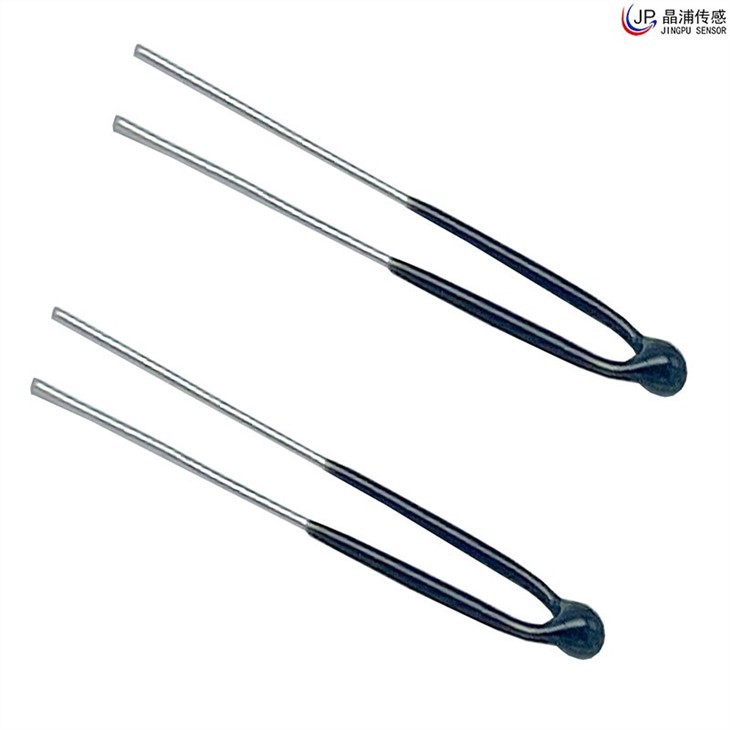
Before delving into hysteresis, let's briefly understand the role of thermistors in fire alarms. A thermistor is a type of resistor whose resistance changes with temperature. In fire alarms, thermistors are used as temperature sensors. They detect changes in ambient temperature and convert these changes into electrical signals. When the temperature rises above a certain threshold, indicating a potential fire, the thermistor's resistance changes, triggering the alarm system.
There are two main types of thermistors: Positive Temperature Coefficient (PTC) and Negative Temperature Coefficient (NTC). PTC thermistors have a resistance that increases with temperature, while NTC thermistors have a resistance that decreases as the temperature rises. In fire alarm applications, NTC thermistors are more commonly used due to their high sensitivity and fast response time.
What is Hysteresis?
Hysteresis is a property where the output of a system depends not only on its current input but also on its past history. In the context of a fire alarm thermistor, hysteresis refers to the difference in the thermistor's response temperature during the heating and cooling cycles.
During a fire, the temperature in the environment rises rapidly. As the temperature reaches the alarm - set point, the thermistor's resistance changes, and the fire alarm is triggered. However, when the fire is extinguished or the heat source is removed, and the temperature starts to drop, the thermistor does not return to its original state immediately at the same temperature as the alarm - set point. Instead, it requires the temperature to drop below a certain lower temperature (the reset point) for the thermistor to reset and the alarm to turn off.
This difference between the alarm - set point (during heating) and the reset point (during cooling) is known as hysteresis. Mathematically, hysteresis can be expressed as (H = T_{alarm}-T_{reset}), where (T_{alarm}) is the temperature at which the alarm is triggered, and (T_{reset}) is the temperature at which the alarm is reset.
Causes of Hysteresis in Fire Alarm Thermistors
Several factors contribute to the hysteresis in fire alarm thermistors:
Material Properties
The materials used in the construction of the thermistor play a crucial role in hysteresis. NTC thermistors are typically made of semiconductor materials. These materials have a complex crystal structure, and the movement of charge carriers within the crystal lattice is affected by temperature changes. During heating, the crystal lattice expands, and charge carriers move more freely, resulting in a decrease in resistance. During cooling, the lattice contracts, but the charge carriers may not return to their original positions immediately due to internal stresses and energy barriers within the material. This causes a delay in the thermistor's response and contributes to hysteresis.
Thermal Mass
The thermal mass of the thermistor also affects hysteresis. The thermistor has a certain amount of mass that needs to absorb or release heat during temperature changes. When the temperature rises, the thermistor absorbs heat, and its temperature lags behind the ambient temperature. Similarly, during cooling, the thermistor releases heat slowly. This thermal inertia causes a difference in the thermistor's response during heating and cooling cycles, leading to hysteresis.
Manufacturing Processes
The manufacturing processes of thermistors can introduce variations in their properties, which can contribute to hysteresis. For example, if the thermistor is not properly annealed during manufacturing, internal stresses may be present in the material. These stresses can affect the movement of charge carriers and the thermal expansion and contraction of the material, resulting in hysteresis.
Importance of Hysteresis in Fire Alarm Applications
Hysteresis is a critical factor in fire alarm applications, and it has both advantages and disadvantages:
Advantages
- Preventing False Alarms: Hysteresis helps prevent false alarms caused by minor temperature fluctuations. For example, in a kitchen environment, the temperature may rise slightly due to normal cooking activities. If there was no hysteresis, these minor temperature increases could trigger the fire alarm. However, with hysteresis, the thermistor requires a significant and sustained increase in temperature to trigger the alarm, reducing the likelihood of false alarms.
- Ensuring Alarm Reset: Hysteresis ensures that the fire alarm remains activated until the temperature has dropped significantly below the alarm - set point. This is important to ensure that the fire has been completely extinguished before the alarm is reset, providing an additional layer of safety.
Disadvantages
- Delayed Response: Hysteresis can cause a delay in the thermistor's response during the cooling cycle. In some cases, this delay may be unacceptable, especially in applications where a rapid reset of the alarm is required.
- Inaccurate Temperature Measurement: Hysteresis can also lead to inaccurate temperature measurement. Since the thermistor's resistance depends on its past history, the measured temperature may not accurately reflect the current ambient temperature, especially during rapid temperature changes.
Our Product Offerings
As a supplier of fire alarm thermistors, we offer a wide range of high - quality products to meet different customer needs. Our Epoxy Resin Bead NTC Thermistor is a popular choice for fire alarm applications. It features a small size, high sensitivity, and low hysteresis, ensuring accurate and reliable temperature sensing.
Another product in our portfolio is the Jingpu Temperature Sensors NTC Chip Thermistor 76mm Length. This thermistor is designed for applications where a longer probe length is required. It offers excellent stability and low hysteresis, making it suitable for use in large - scale fire alarm systems.
We also provide Battery NTC Thermistors for use in battery - powered fire alarms. These thermistors are optimized for low - power consumption and high - accuracy temperature sensing, ensuring reliable operation even in battery - limited environments.
Controlling Hysteresis
To ensure the optimal performance of fire alarm thermistors, it is important to control hysteresis. This can be achieved through several methods:
Material Selection
Choosing the right materials for the thermistor can help reduce hysteresis. High - quality semiconductor materials with a stable crystal structure and low internal stresses can minimize the hysteresis effect.
Thermal Design
Optimizing the thermal design of the thermistor can also reduce hysteresis. This includes minimizing the thermal mass of the thermistor and improving its heat transfer characteristics. For example, using a thermally conductive housing or adding heat - sinking materials can help the thermistor respond more quickly to temperature changes.
Calibration
Proper calibration of the thermistor can compensate for hysteresis. By accurately measuring the alarm - set point and the reset point during the manufacturing process, the hysteresis can be taken into account, and the fire alarm system can be programmed accordingly.
Conclusion
Hysteresis is an important property of fire alarm thermistors that affects their performance and reliability. While it has some advantages in preventing false alarms and ensuring alarm reset, it can also cause delays in response and inaccurate temperature measurement. As a supplier of fire alarm thermistors, we understand the significance of hysteresis and strive to provide products with low hysteresis and high performance.
If you are in the market for high - quality fire alarm thermistors, we invite you to contact us for procurement and further discussions. Our team of experts is ready to assist you in selecting the right thermistor for your specific application.
References
- "Thermistors: Theory, Design, and Applications" by A. C. Fischer - Cripps.
- "Handbook of Temperature Measurement" edited by R. P. D. Walsh.
- Technical papers on thermistor technology from leading semiconductor manufacturers.


