

Fiber-optic temperature sensors represent a remarkable technological advancement in the field of temperature measurement. As a seasoned supplier of temperature sensors, I've witnessed firsthand the growing demand for these innovative devices across various industries. In this blog post, I'll delve into the inner workings of fiber-optic temperature sensors, exploring their principles, advantages, and applications.
The Basics of Fiber-Optic Temperature Sensors
At the heart of a fiber-optic temperature sensor lies an optical fiber, a thin strand of glass or plastic that can transmit light over long distances with minimal loss. Unlike traditional temperature sensors that rely on electrical signals, fiber-optic sensors use light as the sensing medium. This fundamental difference offers several key advantages, including immunity to electromagnetic interference, high sensitivity, and the ability to operate in harsh environments.
How They Work: The Underlying Principles
There are several types of fiber-optic temperature sensors, each based on different physical principles. One of the most common types is the fiber Bragg grating (FBG) sensor. FBG sensors are created by introducing a periodic variation in the refractive index of the fiber core. This variation acts as a filter, reflecting a specific wavelength of light while allowing others to pass through.
When the temperature changes, the physical properties of the fiber, such as its length and refractive index, also change. This causes a shift in the wavelength of the reflected light. By measuring this wavelength shift, the temperature can be accurately determined. The relationship between the wavelength shift and temperature is well-defined and can be calibrated to provide precise temperature measurements.
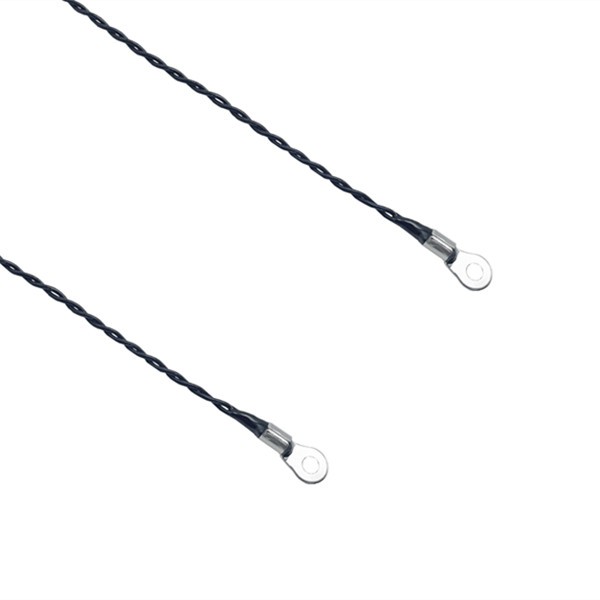

Another type of fiber-optic temperature sensor is based on the principle of fluorescence. In these sensors, a fluorescent material is attached to the end of the optical fiber. When the material is illuminated with light of a specific wavelength, it emits fluorescence. The intensity and decay time of the fluorescence are temperature-dependent. By measuring these parameters, the temperature can be inferred.
Advantages of Fiber-Optic Temperature Sensors
Fiber-optic temperature sensors offer numerous advantages over traditional temperature sensors. Firstly, they are immune to electromagnetic interference (EMI). This makes them ideal for use in environments where EMI is a concern, such as power plants, electrical substations, and industrial machinery.
Secondly, fiber-optic sensors have high sensitivity and can detect very small temperature changes. This makes them suitable for applications that require precise temperature measurements, such as scientific research, medical diagnostics, and aerospace engineering.
Thirdly, fiber-optic sensors can operate in harsh environments, including high temperatures, high pressures, and corrosive atmospheres. The optical fiber is made of materials that are resistant to these conditions, ensuring reliable performance over a long period of time.
Applications of Fiber-Optic Temperature Sensors
The unique properties of fiber-optic temperature sensors make them suitable for a wide range of applications. In the power industry, they are used to monitor the temperature of electrical transformers, generators, and transmission lines. By detecting overheating early, potential failures can be prevented, improving the reliability and safety of the power grid.
In the medical field, fiber-optic temperature sensors are used for minimally invasive temperature measurements during surgical procedures and in patient monitoring. Their small size and flexibility allow them to be easily inserted into the body, providing accurate temperature readings without causing discomfort to the patient.
In the automotive industry, fiber-optic temperature sensors are used in various applications, such as engine temperature monitoring, battery temperature management, and Automotive Seat Heater Temp Sensor. They can withstand the high temperatures and vibrations associated with automotive environments, ensuring reliable performance.
In the food and beverage industry, fiber-optic temperature sensors are used to monitor the temperature during the production, storage, and transportation of food products. Maintaining the correct temperature is crucial for ensuring food safety and quality.
Our Range of Temperature Sensors
As a leading supplier of temperature sensors, we offer a wide range of fiber-optic temperature sensors to meet the diverse needs of our customers. Our sensors are designed and manufactured to the highest standards, ensuring accuracy, reliability, and long-term performance.
In addition to fiber-optic sensors, we also offer other types of temperature sensors, such as Temperature Sensor For Electric Kettle and Temp Sensor For HEV. These sensors are suitable for a variety of applications, from consumer electronics to industrial automation.
Why Choose Us?
When you choose us as your temperature sensor supplier, you can expect the following benefits:
- High-Quality Products: Our sensors are made from high-quality materials and undergo rigorous testing to ensure they meet or exceed industry standards.
- Customization Options: We understand that every customer has unique requirements. That's why we offer customization options to tailor our sensors to your specific needs.
- Technical Support: Our team of experienced engineers is available to provide technical support and assistance throughout the entire process, from product selection to installation and maintenance.
- Competitive Pricing: We offer competitive pricing without compromising on quality. Our goal is to provide you with the best value for your money.
Contact Us for Procurement and洽谈
If you're interested in learning more about our temperature sensors or would like to discuss your specific requirements, we invite you to contact us. Our sales team is ready to assist you with your procurement needs and answer any questions you may have. Whether you're looking for a single sensor or a large-scale solution, we can help you find the right product for your application.
References
- "Fiber Optic Sensors: Principles and Applications" by Joseph D. Jones
- "Optical Fiber Communication Systems" by Gerd Keiser
- "Temperature Measurement" by R. P. Reed


