

Hey there! As a supplier of Fire Alarm Thermistors, I often get asked about how to test the performance of these crucial components. In this blog post, I'm gonna share some practical methods and tips on testing fire alarm thermistors.
First off, let's understand what a fire alarm thermistor is. It's a type of temperature - sensitive resistor. When the temperature changes, its resistance changes accordingly. This property is used in fire alarms to detect temperature variations that might indicate a fire.
Why Testing is Important
Testing the performance of a fire alarm thermistor is super important. A faulty thermistor can lead to false alarms or, even worse, fail to detect a real fire. This can put lives and property at risk. So, regular testing ensures that the fire alarm system works as it should.
Tools You'll Need
Before you start testing, you'll need a few tools. A multimeter is a must - have. It's used to measure the resistance of the thermistor. You'll also need a heat source, like a hot plate or a hair dryer. A thermometer is useful for accurately measuring the temperature. And don't forget a data logger if you want to record the test results over time.
Resistance - Temperature Curve Testing
One of the most common ways to test a fire alarm thermistor is by checking its resistance - temperature curve. This curve shows how the resistance of the thermistor changes with temperature.
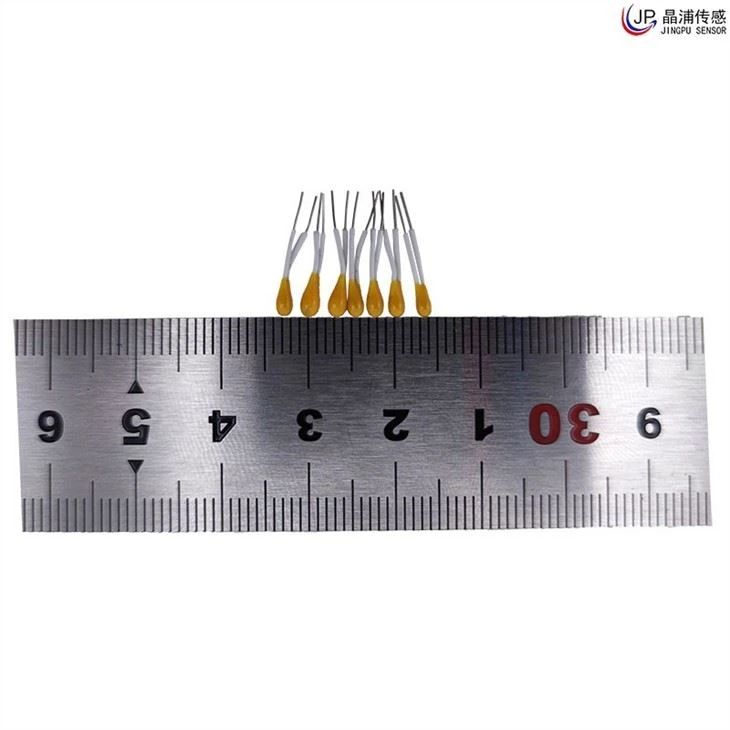

- Initial Resistance Measurement: Start by measuring the resistance of the thermistor at room temperature. Connect the multimeter to the thermistor leads. Make sure the multimeter is set to the resistance measurement mode. Write down the resistance value. For example, if the room temperature is around 25°C, a typical fire alarm thermistor might have a resistance in the range of a few thousand ohms.
- Applying Heat: Now, it's time to apply heat. Place the thermistor near the heat source. Use the thermometer to monitor the temperature. As the temperature rises, take resistance measurements at regular intervals, say every 5°C or 10°C. For instance, when the temperature reaches 50°C, measure the resistance again.
- Comparing with Specifications: After you've collected a set of resistance - temperature data points, compare them with the manufacturer's specifications. Most fire alarm thermistors come with a published resistance - temperature curve. If the measured values deviate significantly from the curve, the thermistor might be faulty.
Response Time Testing
Another important aspect of testing is the response time. The response time is how quickly the thermistor can detect a temperature change.
- Setting up the Test: Place the thermistor in a stable environment at a known temperature. Then, suddenly expose it to a higher temperature. You can do this by quickly moving it from a cool area to a heated one.
- Measuring the Time: Use a stopwatch or the data logger's time - stamping feature to record the time it takes for the thermistor's resistance to reach a certain percentage (usually 63.2%) of its final value after the temperature change. A fast - responding thermistor is crucial for a reliable fire alarm system.
Stability Testing
Stability testing checks if the thermistor's performance remains consistent over time.
- Long - Term Monitoring: Set up a long - term test where you continuously monitor the thermistor's resistance at a constant temperature. This can take several hours or even days.
- Checking for Drift: Look for any significant changes in resistance over time. A stable thermistor should have a relatively constant resistance at a fixed temperature. If there's a noticeable drift, it could be a sign of a problem.
Testing in Real - World Conditions
It's also a good idea to test the thermistor in real - world conditions as closely as possible.
- Installing in a Fire Alarm System: If possible, install the thermistor in a fire alarm system and simulate a fire scenario. This can give you a better idea of how it performs in an actual application.
- Testing with Different Heat Sources: Try using different heat sources, like an open flame (safely, of course) or a heat gun, to mimic different types of fires.
Related Products
If you're interested in other types of temperature sensors related to fire alarm applications, we also offer Epoxy Temperature Sensors. These sensors are known for their accuracy and reliability. Our Fire Alarm NTC Thermistor is specifically designed for fire alarm systems, ensuring high - performance and long - term stability. And for applications where you need a sensor with a special cable, check out our PTFE Cable Temperature Sensor.
Conclusion
Testing the performance of a fire alarm thermistor is a crucial step in ensuring the safety and reliability of fire alarm systems. By following these testing methods, you can identify any potential issues early and take appropriate action. If you're in the market for high - quality fire alarm thermistors or related temperature sensors, feel free to reach out for a purchase negotiation. We're here to provide you with the best products and support.
References
- "Thermistor Handbook" - A comprehensive guide on thermistor technology and testing.
- Manufacturer's datasheets for fire alarm thermistors.


