

Hey there! If you're in the market for thermal elements, you've probably wondered about their lifespan. Well, you're in the right place. I'm a supplier of thermal elements, and I'm here to break down everything you need to know about how long these little guys last.
Let's start with the basics. A thermal element is a crucial component in many systems, used to measure and control temperature. It's like the unsung hero of temperature regulation, quietly doing its job to keep things running smoothly. But like all good things, thermal elements don't last forever. Their lifespan can vary widely depending on a bunch of factors.
Factors Affecting the Lifespan of a Thermal Element
1. Operating Temperature
One of the biggest factors that can impact the lifespan of a thermal element is the operating temperature. You see, thermal elements are designed to work within a specific temperature range. If they're constantly exposed to temperatures outside of this range, it can cause a lot of stress on the element.
For example, if a thermal element is rated for a maximum temperature of 100°C and it's regularly operating at 120°C, the extra heat can cause the materials inside the element to degrade faster. This can lead to a shorter lifespan and potentially cause the element to fail prematurely.
On the flip side, if the operating temperature is too low, it can also have a negative impact. Some thermal elements rely on certain chemical reactions or physical properties that are temperature-dependent. If the temperature is too low, these reactions may not occur properly, which can affect the accuracy and performance of the element over time.
2. Environmental Conditions
The environment in which a thermal element operates also plays a huge role in its lifespan. Things like humidity, dust, and chemical exposure can all take a toll on the element.
High humidity can cause corrosion on the metal parts of the thermal element. This corrosion can weaken the structure of the element and eventually lead to failure. Dust and other particulate matter can also accumulate on the element, which can interfere with its operation and cause it to overheat.
Chemical exposure is another major concern. If a thermal element is exposed to harsh chemicals, it can react with the materials inside the element and cause damage. For example, acids or alkalis can dissolve the protective coatings on the element, leaving it vulnerable to further damage.
3. Frequency of Use
How often a thermal element is used can also affect its lifespan. If a thermal element is constantly in use, it's going to experience more wear and tear than one that's only used occasionally.
Think of it like a car. If you drive your car every day, the engine and other components are going to wear out faster than if you only drive it once a week. The same principle applies to thermal elements. The more they're used, the more likely they are to develop problems over time.
4. Quality of the Element
Of course, the quality of the thermal element itself is a major factor in its lifespan. Higher-quality elements are typically made with better materials and more precise manufacturing processes. This means they're more likely to be durable and last longer.
When you're shopping for thermal elements, it's important to do your research and choose a reputable supplier. Look for elements that are made by well-known manufacturers and have a good track record of reliability.
Average Lifespan of Different Types of Thermal Elements
Now that we've talked about the factors that can affect the lifespan of a thermal element, let's take a look at the average lifespan of some common types of thermal elements.
Thermocouples
Thermocouples are one of the most widely used types of thermal elements. They're known for their durability and ability to operate at high temperatures. On average, a thermocouple can last anywhere from 1 to 5 years, depending on the factors we discussed earlier.
If a thermocouple is used in a relatively stable environment with normal operating temperatures, it can last closer to the 5-year mark. However, if it's exposed to harsh conditions or high temperatures, its lifespan may be closer to 1 year.
Resistance Temperature Detectors (RTDs)
RTDs are another popular type of thermal element. They're known for their high accuracy and stability. The average lifespan of an RTD is typically between 3 and 7 years.
Like thermocouples, the lifespan of an RTD can be affected by factors such as operating temperature, environmental conditions, and frequency of use. RTDs are generally more sensitive to temperature changes than thermocouples, so they may require more careful handling and maintenance.
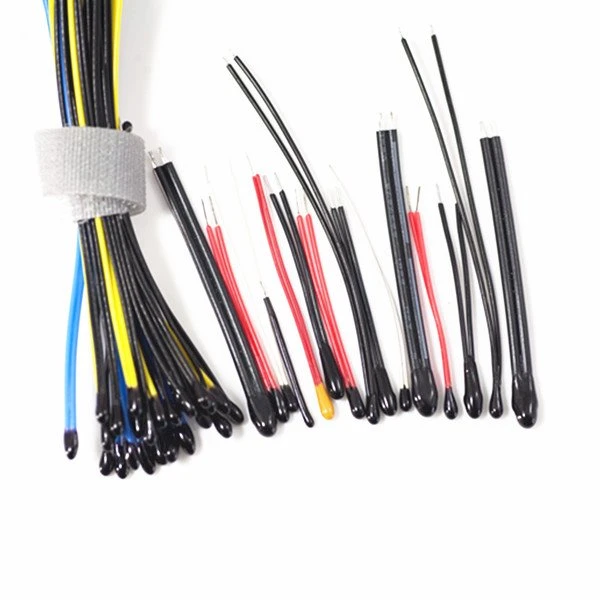

Thermistors
Thermistors are a type of thermal element that are commonly used in applications where high sensitivity is required. There are two main types of thermistors: positive temperature coefficient (PTC) thermistors and negative temperature coefficient (NTC) thermistors. You can check out our Negative Temperature Coefficient Thermistor for more details.
The lifespan of a thermistor can vary depending on the type and application. On average, a thermistor can last anywhere from 2 to 5 years. However, if a thermistor is used in a high-stress environment or is subjected to frequent temperature changes, its lifespan may be shorter.
Extending the Lifespan of Your Thermal Elements
So, how can you make your thermal elements last as long as possible? Here are some tips:
1. Choose the Right Element for the Job
Make sure you select a thermal element that is rated for the specific temperature range and environmental conditions of your application. Using an element that is not suitable for your needs can significantly reduce its lifespan.
2. Monitor and Control the Operating Conditions
Keep an eye on the operating temperature, humidity, and other environmental conditions of your thermal element. If necessary, take steps to control these conditions to ensure they stay within the recommended range.
3. Perform Regular Maintenance
Regular maintenance is key to extending the lifespan of your thermal elements. This can include cleaning the elements, checking for signs of damage or wear, and calibrating them as needed.
4. Replace Worn or Damaged Elements Promptly
If you notice any signs of wear or damage on your thermal element, don't wait to replace it. Continuing to use a damaged element can not only lead to inaccurate temperature readings but can also cause further damage to your equipment.
Our Thermal Element Products
As a thermal element supplier, we offer a wide range of high-quality thermal elements to meet your needs. Whether you're looking for a thermocouple, an RTD, or a thermistor, we've got you covered.
Our Fire Alarm NTC Thermistor is a great option for fire alarm systems. It's designed to be highly sensitive and reliable, ensuring that your fire alarm system works effectively.
We also offer Insulated Wire NTC Thermistors that are perfect for applications where insulation is required. These thermistors are made with high-quality materials and are designed to provide accurate temperature measurements.
Contact Us for Your Thermal Element Needs
If you're interested in learning more about our thermal element products or have any questions about the lifespan of thermal elements, don't hesitate to get in touch. We're here to help you find the right thermal element for your application and ensure that it lasts as long as possible.
Whether you're a small business or a large corporation, we can provide you with the thermal elements you need at competitive prices. So, if you're in the market for thermal elements, give us a call or send us an email today. We look forward to working with you!
References
- "Thermal Sensors: Principles and Applications" by Max Schubert
- "Temperature Measurement" by John W. Naisbitt


